

Planning a wedding sounds exciting at first, but once you get into it, it can feel overwhelming. One minute you’re picking a date, and the next you’re staring at long checklists that make it seem like everything needs to happen immediately. Most couples don’t struggle because they lack ideas but because there are too many options, timelines, and small decisions that start piling up.
What tends to help is slowing down and focusing on the few things that shape everything else. Whether it’s the budget, the number of guests, or the type of space you choose, those early decisions carry significant weight. Once those are clear, the rest doesn’t feel as overwhelming.
That’s the idea behind this wedding planning checklist. This blog explores how you can keep things simple and manageable enough that wedding planning still feels enjoyable.
Start Here: The First 3 Decisions That Shape Everything
Before getting into décor or entertainment, we usually look at three things.
- The budget
- The guest list
- The venue style
Budget, Guest List, and Venue Come First
The budget is usually the starting point. It doesn’t need to be exact, but having a range helps more than people expect. Without it, it’s easy to keep adding ideas and then realize later that things don’t quite line up. Once a number is in mind, even a flexible one, choices feel more grounded.
The guest list comes next. It doesn’t have to be perfect. Even a rough estimate works. Planning for sixty people feels very different from planning for one hundred and fifty. The number affects seating, food, and the overall layout. Getting a sense of size early on really prevents last-minute adjustments.
The venue is where things start to feel real. The space influences the mood and the flow of the day. Choosing something flexible early in the wedding venue planning checklist can make everything easier. Whether it’s indoor space, outdoor areas, or adaptable seating, flexibility usually reduces stress in the long run.
These three might not sound exciting, but they quietly do set the tone for everything else. Once those are clear, most other decisions start to make more sense.
A Simple Wedding Planning Timeline
A wedding planning timeline doesn’t need to feel strict. It works better when it’s more flexible.
- Six to twelve months before the wedding, try focusing on booking the venue and setting the date. Once those are confirmed, the rest of the planning comes together naturally. This is also when the guest list begins to take shape.
- Three to six months before the wedding, invitations usually go out, and food plans begin to take shape. This step-by-step approach helps avoid rushed decisions.
- One to two months before the wedding, confirmations become important. Seating plans, vendor details, and timeline checks happen here. By this point, most of the big choices have already been made.
- During the final week, it’s mostly about confirming numbers and reviewing logistics. Honestly, if the earlier steps are clear, there shouldn’t be much left to figure out.
If you follow this flexible timeline, planning tends to feel a lot more manageable and organized, without the last-minute stress.
Wedding Reception Planning That Actually Works
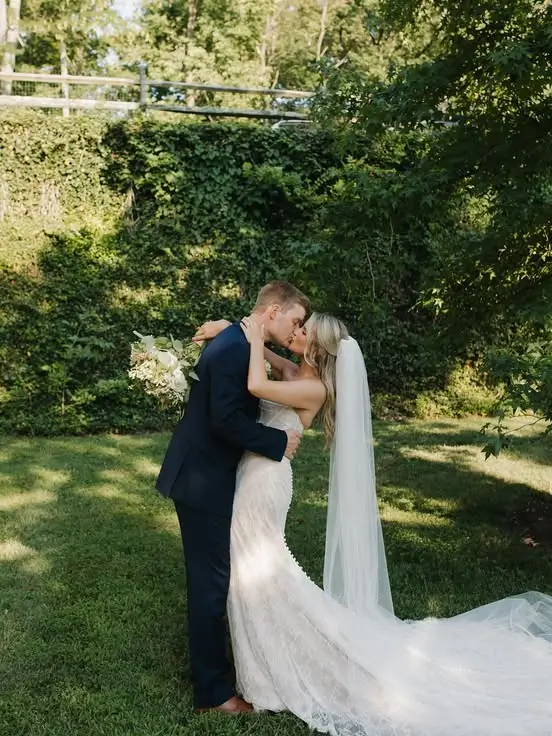
The reception is usually what guests remember most. It’s where people relax, talk, and actually enjoy the celebration. A good wedding reception planning checklist focuses less on structure and more on comfort.
Keep the Reception Simple and Social
Receptions tend to feel better when they aren’t packed with too many scheduled moments. Leaving space for guests to mingle also helps. People can move around, grab food, and settle into conversations without feeling rushed.
Food also plays a bigger role than expected. Options that are easy to enjoy usually keep things flowing smoothly. These wedding reception ideas create a relaxed atmosphere rather than a tightly scheduled one. Many couples even choose to create videos during these moments to capture authentic, unscripted emotions from guests and the celebration.
Rustic and Outdoor Wedding Ideas That Are Easy to Execute
Rustic wedding ideas sound complicated, but they’re often simpler than they appear. Natural surroundings, open space, and minimal décor usually create a warm atmosphere without much effort.
When the setting already has character, there’s less need to add decorative elements. This usually makes planning feel lighter.
Why Outdoor Spaces Make Planning Easier
Outdoor wedding planning tips often come down to flexibility. Outdoor settings naturally create ambiance, which reduces the need for extra décor. Guests can move more freely, and the event feels less structured.
Little Miami Brewing Company’s natural backdrops make everything feel more relaxed. Whether it’s a patio, a riverside view, or an open lawn, outdoor spaces allow guests to settle in comfortably.
Common Wedding Planning Mistakes and How to Avoid Them
One common mistake is trying to do too much. Overloading the timeline can make everything feel rushed. A simpler schedule usually works better.
Another issue is focusing too much on appearance. Guests remember comfort more than decorative details. Seating, shade, and easy access to food make a noticeable difference.
Guest flow is another detail that’s easy to overlook. Crowded layouts can disrupt the event’s rhythm. A good wedding planning checklist should consider how people move through the space.
Booking too many vendors can also complicate things. More vendors mean more coordination. A stress-free wedding planning guide often leans toward venues that simplify logistics.
When you prioritize things like guest flow, great food, good drinks, and a memorable setting, the rest tends to fall into place.
How Little Miami Brewing Company Simplifies Wedding Planning
Couples want planning to feel manageable. Choosing an all-in-one venue can really help. Little Miami Brewing Company offers a flexible event space in Historic Old Milford with a relaxed riverside setting.
The Event Center accommodates both ceremonies and receptions, while outdoor areas provide a natural backdrop. Craft beer is brewed onsite, and the Taproom Pizza Kitchen simplifies food and drink planning. Whether it’s a small gathering or a large celebration, the indoor and outdoor options offer flexibility.
Why All-in-One Venues Reduce Stress
All-in-one venues simplify the wedding venue planning checklist. Fewer vendors mean fewer details to coordinate. Planning becomes smoother, and the wedding day feels more relaxed.
When food, drinks, and space are handled in one location, logistics become easier. Couples can actually focus on enjoying the celebration.
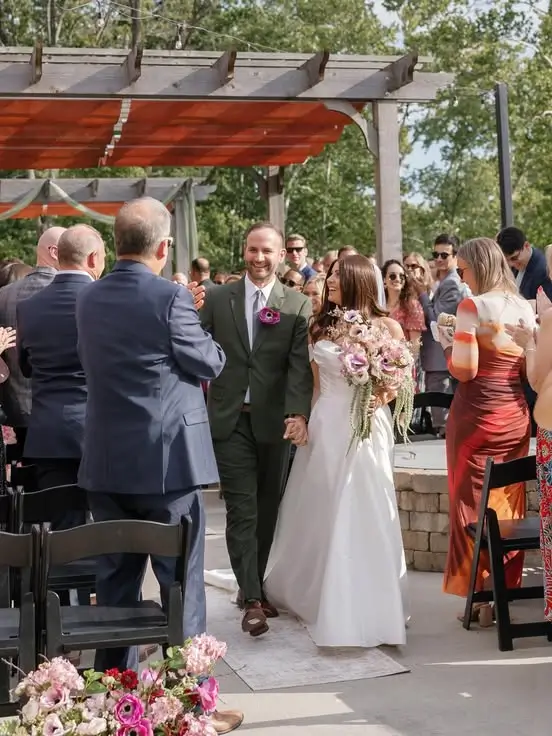
A Wedding Planning Checklist That Actually Works
Wedding planning doesn’t need to feel overwhelming. Keeping decisions simple and focusing on guest experience usually leads to a more relaxed celebration. Sometimes the simplest plans turn out to be the most memorable ones.
Visit Little Miami Brewing Company in Historic Old Milford to explore a riverside wedding venue with built-in food, craft beer, and flexible event space. Start planning with a team that keeps things simple.
FAQs
What is the most important part of a wedding planning checklist?
Budget, guest list, and venue are the three most important parts of a wedding planning checklist that give a clear way to most other things.
How far in advance should you start planning a wedding?
About 6–12 months in advance to book the venue and finalize the wedding date.
What should be included in a wedding reception checklist?
Food, drinks, seating, and event flow should be included alongside other important things in a wedding reception checklist.
Are outdoor weddings easier to plan?
Often yes, thanks to natural décor and flexibility.