
You bring home a fresh craft beer, save it for the weekend, and finally crack it open, only to find the flavor isn’t quite what you expected. Proper storage can make a real difference in how your beer tastes, smells, and feels. Heat, light, and time can all affect the flavors the brewer worked to create.
Whether you’ve picked up a hop-forward IPA or a rich, malty ale, knowing how to store craft beer helps you enjoy every pour at its best. Here are practical tips for storing bottles and cans, choosing the right temperature, and knowing when to drink your favorite brew.
1. Keep Craft Beer Cool and Consistent
Temperature is one of the biggest factors affecting beer freshness. Warm conditions can speed up flavor changes, causing a beer to lose the crispness, aroma, and balance you enjoyed when it was fresh.
For most craft beers, refrigeration is a reliable choice if you plan to keep them longer. If you don’t have fridge space, store them in a cool area away from heat sources, appliances, and direct sunlight. Avoid places like garages or sheds where temperatures can fluctuate significantly.
Remember, storage temperature and serving temperature aren’t always the same. Some beers reveal more of their aroma and flavor when served slightly warmer than refrigerator temperature. Keep the beer cool while storing it, then serve it at the style’s recommended temperature when you’re ready to enjoy it.
2. Protect Your Beer From Light
Ever heard someone describe a beer as “skunky”? Light exposure can be one reason. Ultraviolet light can react with hop compounds, creating unpleasant aromas and flavors.
To protect your beer:
- Store bottles and cans in a dark cupboard, refrigerator, or closed box.
- Keep beer away from sunny windows and direct lighting.
- Avoid displaying bottles on open shelves if you intend to drink them later.
Dark glass protects better from light than clear glass, but no bottle should sit in direct sunlight. Cans provide an effective light barrier, making them a practical choice for home storage.
For more background on beer freshness and light exposure, explore CraftBeer.com’s beer resources.
3. Store Bottles and Cans Properly
A few simple habits can help preserve your beer until you’re ready to drink it.
Keep most bottles upright. This minimizes the beer’s contact with the cap and lets any sediment settle at the bottom. If you’re storing a specialty beer with a cork, check the producer’s recommendations, because the closure type can affect the best storage position.
Leave cans undisturbed. Store them somewhere cool and dry, and avoid repeatedly moving them around or exposing them to temperature swings.
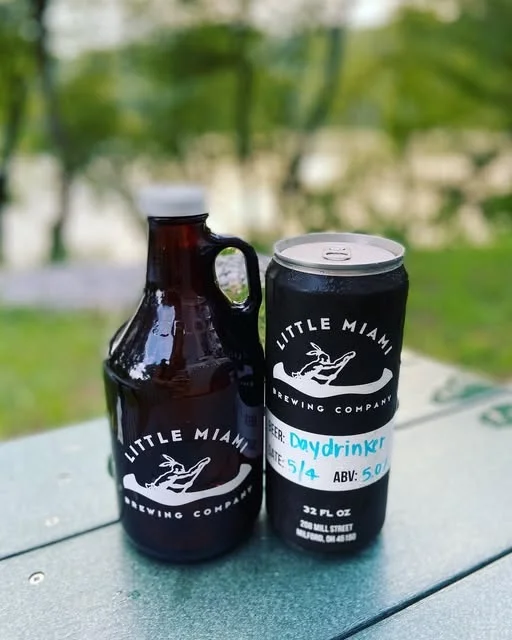
Check the date. Look for a packaged-on date, best-before date, or other freshness guidance. This is especially useful for hop-forward beers, whose bright aromas can fade over time. When in doubt, follow the brewery’s recommendations.
Want to understand how packaging affects flavor? Read our guide on why draft beer can taste different from canned beer, including freshness, carbonation, and serving methods.
4. Drink Beers Fresh
Not every beer is designed to sit in storage for months. Many IPAs and other hop-forward styles are best enjoyed relatively fresh because their citrus, floral, tropical, and piney aromas can fade with time.
Lighter beers, including pilsners and wheat ales, are also often enjoyed for their fresh, clean character. Some stronger beers, such as certain stouts and barleywines, may develop interesting flavors with age, but aging doesn’t automatically improve them. The beer’s recipe, packaging, and storage conditions all matter.
To explore how alcohol content can influence beer aging, read our guide to ABV and beer storage.
5. Don’t Freeze Beer to Chill It Faster
Putting beer in the freezer may seem like a quick way to get it ready for guests, but leaving it there can cause a mess. Beer expands as it freezes, which can damage the container. Freezing and thawing can also affect texture and carbonation.
Instead, refrigerate beer ahead of time if you need to chill a bottle or can quickly, use an ice-water bath and check it frequently. Once it’s cold, serve it rather than leaving it forgotten in the freezer.
6. Buy the Right Beer for Your Plans
One of the easiest craft beer tips is to think about when you’ll drink what you buy. Planning a weekend barbecue? Pick up fresh beer close to the occasion and keep it chilled. Building a small collection? Choose styles suited to your intended storage period and check the brewery’s guidance.
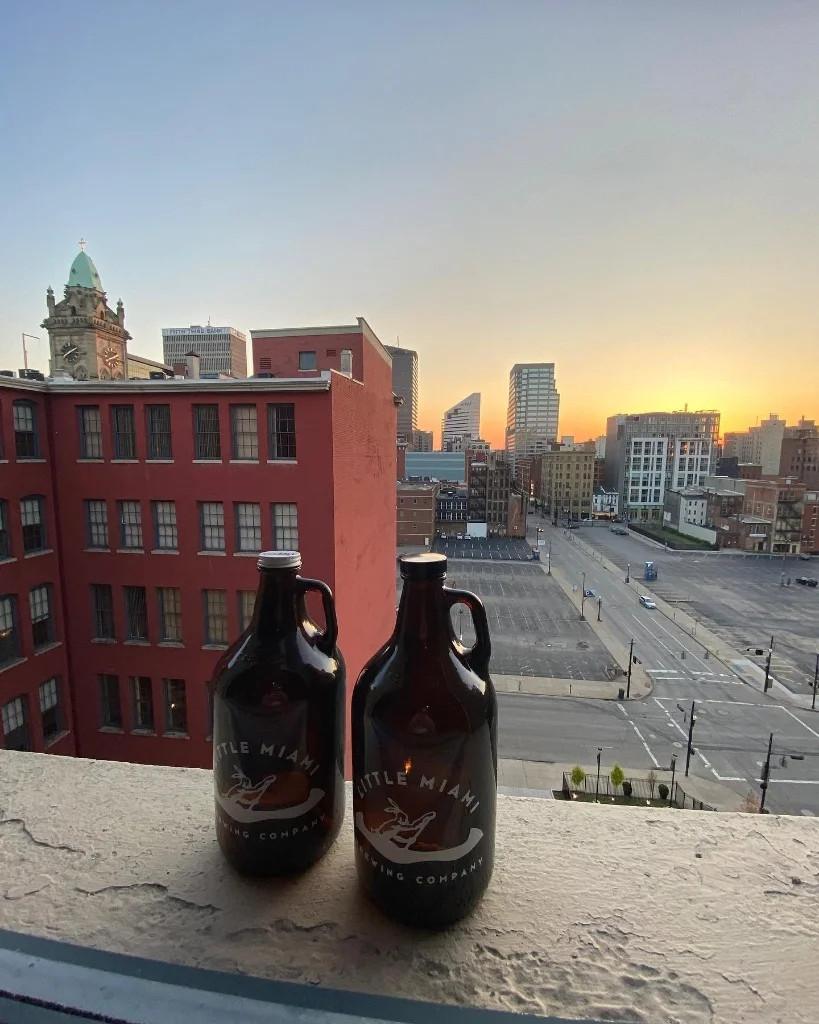
If you’re taking draft beer home, choosing between a reusable growler and a sealed crowler can help you find the right option for your plans.
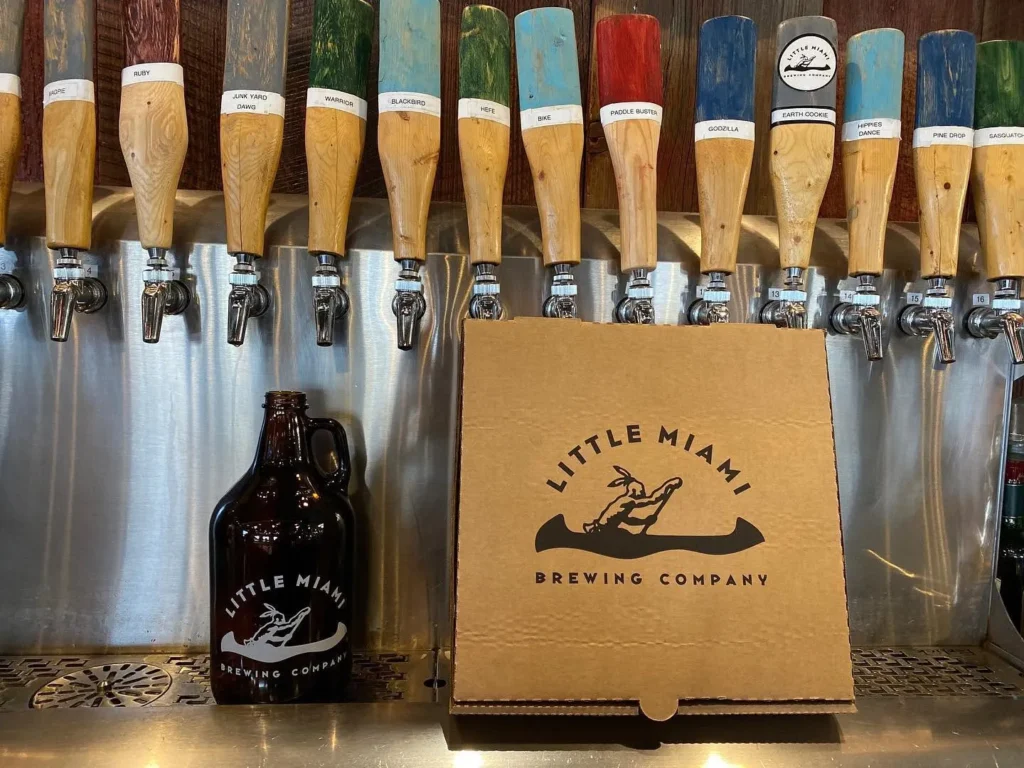
If you’re exploring local craft beers in Cincinnati, Little Miami Brewing Company offers a rotating selection of beer styles, from crisp lagers to hop-forward IPAs and richer ales.
Understanding how beer is made can also help you appreciate why storage matters. Ingredients such as hops, malt, and yeast shape a beer’s character, and the brewer balances those elements to create a particular aroma and flavor. Good storage helps protect that intended result.
FAQs
Should craft beer be refrigerated?
Refrigeration helps preserve freshness for most craft beers, especially if you won’t drink them right away. Keep the temperature consistent and avoid repeated warming and cooling.
Does craft beer go bad if it’s unopened?
Yes. Even unopened beer can lose freshness and change flavor over time. Follow the date and storage guidance on the packaging, and remember that most beers don’t get better with age.
Is it better to store beer bottles upright or on their side?
Most beer bottles are best stored upright because sediment can settle at the bottom and the beer has less contact with the cap. Specialty corked bottles may have different recommendations, so check the producer’s advice.
Which craft beers should you drink fresh?
Hop-forward beers, including many IPAs, are often best enjoyed fresh to appreciate their hop aroma. Other styles can hold their character longer, while some stronger beers are meant to age.
Enjoy Every Beer at Its Best
Great craft beer deserves a little care after it leaves the brewery. Keep it cool, protect it from light, check freshness dates, and open each style at the right time. These simple habits can help you experience the aromas and flavors the brewer intended.
Ready to discover your next favorite? Order a beer from Little Miami Brewing Company and stop by the Milford taproom to enjoy fresh local craft beer.