
There’s something about drinking a beer at the brewery that just works. It feels smooth, balanced, and full of flavor. Then you take that same beer home in a can, crack it open on your couch, and suddenly it just feels different. Not bad. Just not quite the same.
This question comes up constantly, which is why it tops so many craft beer FAQs. People ask it casually, sometimes skeptically. The difference is real, and there are a few very practical reasons behind it.
Let’s break down one of the most common craft beer questions in an honest way, no beer snob language, no over-science. Just real explanations for why draft beer vs. canned beer taste isn’t always identical, even when the beer technically is.
The Short Answer: Draft and Canned Beer Aren’t Identical Experiences
The recipe inside the keg and the can is usually the same. Same ingredients. Same brewing process. Same alcohol content. What changes is everything that happens after that beer leaves the brewery.
Draft beer and canned beer take different paths before they reach your glass. Along the way, factors like freshness, carbonation, temperature, aroma, and serving method start to matter more than most people realize. This is where the draft beer vs canned beer taste debate really begins.
Freshness Plays a Bigger Role Than Most People Realize
One of the biggest reasons people ask why draft beer tastes better comes down to freshness. Draft beer, especially when you’re drinking it at a brewery or taproom, often gets from the tank to the glass much faster.
Beer doesn’t usually ‘go bad’ quickly, but it does change. Hop aromas fade. Bright flavors soften. The balance shifts just a little over time. Cans do a great job of protecting beer, but they still sit in warehouses, on delivery trucks, on store shelves, and in refrigerators before they’re opened.
Draft beer tends to move faster. Kegs get emptied and replaced regularly, especially at busy taprooms. That quicker turnaround often means the beer you’re drinking is closer to its ideal state. Fresher beer usually tastes more expressive and more complete, closer to what the brewer intended.
Carbonation Differences Change How Flavor Hits Your Palate
Carbonation in beer is one of those quiet factors that has a huge impact on flavor. Draft systems allow breweries to control carbonation more precisely, while canned beer is typically carbonated slightly higher to stay stable during storage and transport.
This is where beer from a tap vs. a can starts to feel noticeably different. Canned beer often hits with sharper bubbles. Draft beer usually feels softer and smoother on the palate. That difference alone can change how we perceive bitterness, sweetness, and even the warmth of alcohol.
Why Does Draft Beer Often Feel Smoother?
Draft beer is pushed from the keg using CO₂, and sometimes nitrogen, depending on the style. The pour is controlled, which helps prevent excessive foam and harsh carbonation.
Nitrogen beers take this even further, creating smaller bubbles and a creamy mouthfeel. Even without nitrogen, draft beer often feels rounder simply because the carbonation is better integrated. It’s not about strength. It’s about texture.
Temperature and Glassware Aren’t Small Details
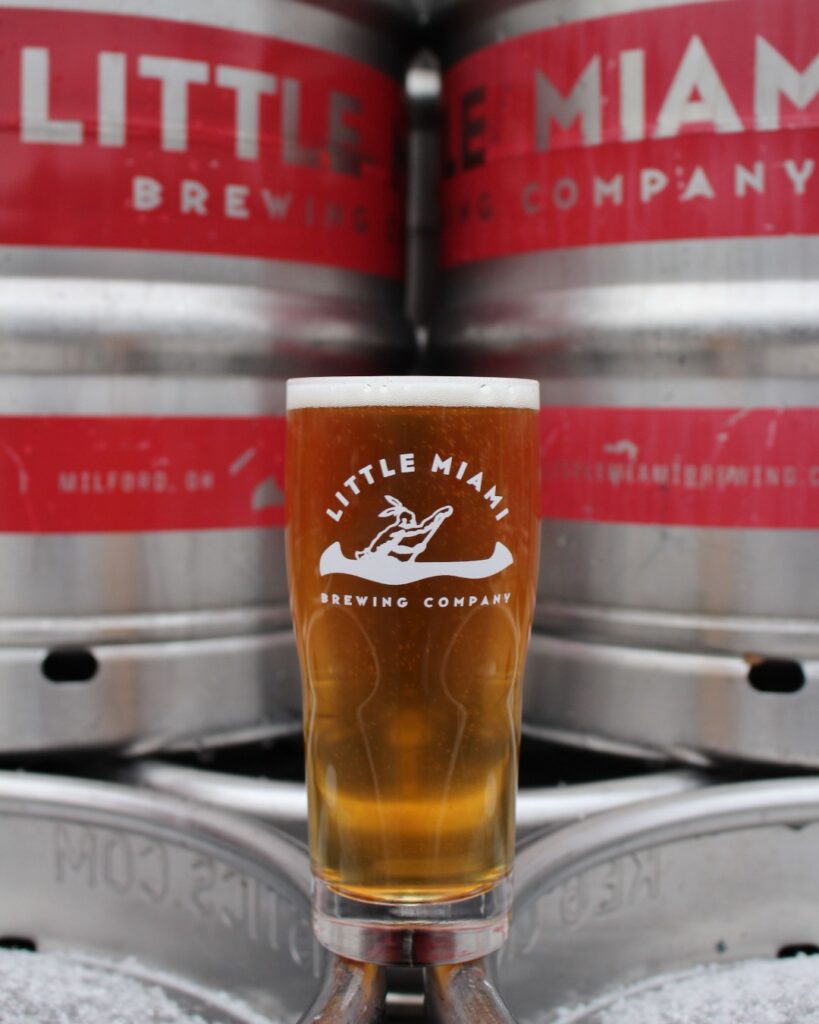
Beer temperature matters more than most people think. Draft beer is usually served at temperatures that suit the style. Not ice-cold. Not warm. Just cold enough for refreshment and warm enough for flavor.
Cans pulled straight from the fridge are often too cold. When beer is too cold, aromas stay locked in and flavors feel muted. That alone explains a lot of “this beer tasted better at the brewery” moments.
Glassware matters too. Pouring beer into a glass releases its aroma, supports foam, and lets carbonation behave as it’s supposed to. Drinking straight from a can skips all of that. It’s convenient, but it’s not designed to highlight flavor.
Aroma: Half the Experience
A big part of taste actually comes from smell. Draft beer wins here almost every time. When beer is poured, aroma is released immediately. You smell it before you sip it, and that scent shapes how your brain interprets flavor.
Cans trap aroma until the moment they’re opened, and even then, much of it dissipates quickly. This is why hop-forward beers benefit most from draft.
Why IPAs taste especially different on tap
IPAs rely heavily on hop aroma. Those oils are delicate and fade faster than malt flavors. A fresh draft pour releases those aromatics right away, making the beer feel brighter and more expressive.
That doesn’t mean canned IPAs are bad. It just means they’re more sensitive to time and storage. When people say an IPA ‘pops’ more on draft, this is usually why.
The Human Factor: Pour Quality and Environment

One thing that rarely shows up in craft beer FAQs is the human element. A proper pour matters. Clean draft lines matter. Even the angle of the glass changes how foam forms and how aroma is released.
Then there’s the environment. Beer tastes better when you’re relaxed, when you’re with people. When you’re not rushing. The setting shapes the experience more than most people expect, and taprooms are designed for exactly that kind of moment.
So, Is Canned Beer Actually Different?
Cans protect beer from light, seal tightly against oxygen, and are easy to transport. They’re perfect for outdoor plans, travel, and situations where draft beer isn’t an option. Many styles hold up extremely well in cans, especially those that don’t rely heavily on aroma.
Understanding whether canned beer tastes different from tap isn’t about ranking one as ‘better.’ It’s about knowing what each format does well.
Quick FAQs About Draft vs Canned Beer
Does draft beer always taste better?
Not always, but it often feels fresher and smoother, especially at the brewery.
Is draft beer stronger than canned beer?
No. Alcohol content is the same if the beer is the same.
Why does beer taste better at a brewery?
Freshness, proper serving, glassware, and atmosphere all work together.
Can the same beer really taste different?
Yes. Presentation changes perception more than people expect.
Is draft beer fresher than canned beer?
Often, especially when it’s served close to where it’s brewed.
The Best Way to Taste the Difference Is Simple
Reading about why draft beer tastes better helps, but tasting it side by side helps more. When beer is fresh, properly poured, served at the right temperature, and enjoyed in a taproom setting, the difference becomes obvious without much explanation.
That’s why tasting a beer at a brewery matters. At Little Miami Brewing Company, beer is experienced the way it was meant to be: on draft, freshly poured, and enjoyed without rushing.
Curious to taste the difference for yourself?
Visit Little Miami Brewing Company, enjoy a beer by the river, and see how much presentation really matters.