
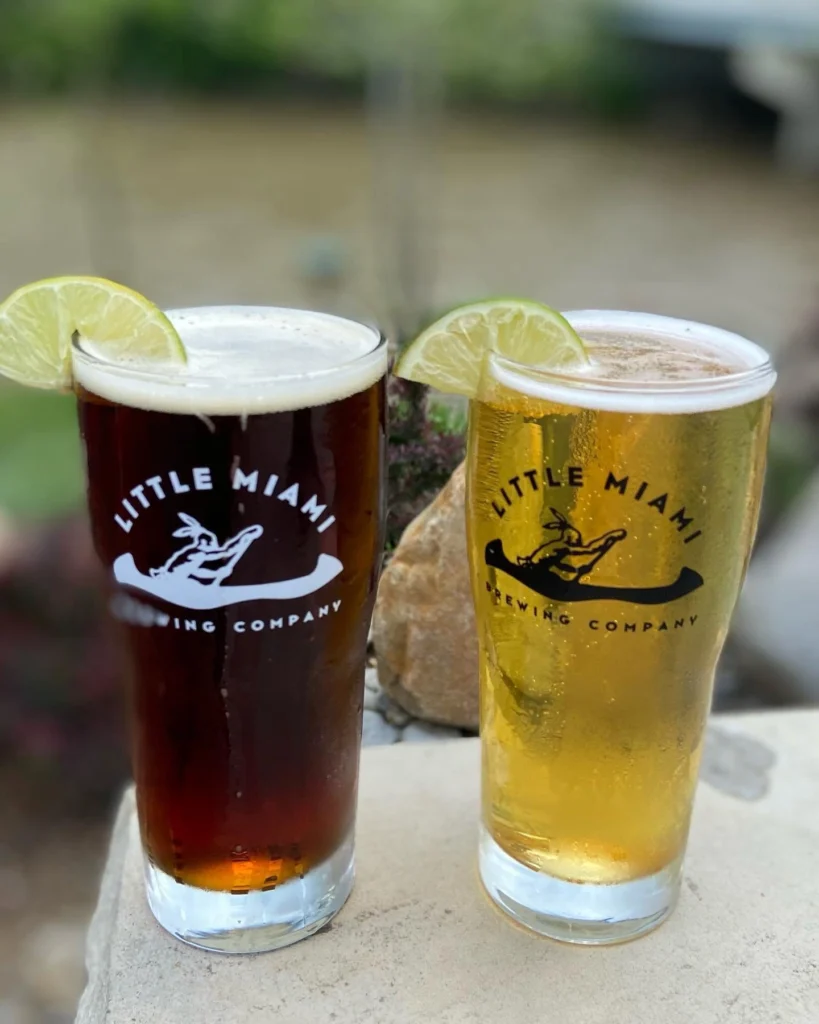
Pour a beer into a glass and the first thing you notice is often its color. Pale gold, deep amber, ruby brown, or nearly black, craft beer color can tell you something about how a beer was brewed, what ingredients were used, and what you might experience in the glass.
But color is not a simple measure of flavor. A pale beer can be intensely hoppy, while a dark beer can be surprisingly smooth and easy to drink. In this craft beer guide, we’ll break down what creates beer color, why some beers look hazy, and how color connects to popular craft beer styles.
What Gives Beer Its Color?
Malt is the biggest factor behind a beer’s color. During malting and roasting, grains develop different colors and flavors, giving brewers the building blocks for everything from pale lagers to rich stouts. The brewing process also affects the final shade.
Beer color is commonly measured using the Standard Reference Method, or SRM. Lower SRM numbers indicate lighter beers, while higher numbers indicate darker beers. The Beer Judge Certification Program notes that SRM measures color density more than exact hue or shade.
This means two beers with similar SRM values can still look somewhat different in the glass.
From Pale Gold to Deep Brown: What Changes?
Beer color can hint at a beer’s flavor, body, and brewing process. Pale beers are often crisp and refreshing, while darker beers may offer richer notes of caramel, toast, or chocolate.
Pale Craft Beers
Light-colored beers often use lightly kilned malts that preserve a pale appearance. Pilsners and other pale lagers are good examples. Their lighter color can pair with crisp, clean flavors and refreshing finishes.
If you enjoy lighter craft beer styles, explore Little Miami Brewing Company’s current beer selection to see what’s pouring.
Amber and Copper Beers
Move into amber and copper territory, and you’ll typically see more color from the malt. Depending on the style, these beers can offer toasted, caramel, bready, or richer malt notes.
Color alone, however, does not tell you exactly how sweet or strong a beer will taste.
Dark Craft Beers
Stout beer, porter, and other dark styles get their deep shades from darker and roasted malts. These ingredients can contribute flavors reminiscent of coffee, toast, chocolate, or roast.
A dark beer does not automatically mean a high-alcohol beer. That’s one of the easiest assumptions to let go of when exploring different types of craft beer.

Why Are Some IPAs Pale or Hazy?
IPA beer is a great example of why appearance can be misleading. Many IPAs are relatively pale because their recipes rely heavily on lighter base malts. Their intense hop character comes from hops, not necessarily from darker grains.
Hazy beers get their cloudy appearance from factors including yeast, proteins, hop compounds, and brewing techniques. The result can be a soft, opaque appearance that looks completely different from a brilliantly clear lager.
So when comparing craft beer color, don’t assume darker means stronger or hazier means sweeter. The recipe and brewing process tell the bigger story.
How Brewers Control Beer Color
Craft beer brewing is part science and part creative decision-making. Brewers can influence color through their malt selection, the amount and type of darker grains used, and aspects of the brewing process. The malt type is the primary determinant of beer color, while factors such as boil intensity and length can also play a role.
That flexibility is one reason today’s craft beer styles cover such a wide visual spectrum. A brewer can build a recipe around brightness and drinkability or develop layers of roast and malt character.
At Little Miami Brewing Company, our small-batch brewery produces a rotating selection of fresh beers across several series, giving guests plenty of opportunities to explore different flavors and appearances.
How to Taste Beer Beyond Its Color
Next time you visit a brewery, try tasting before making assumptions based on appearance.
Look at the beer first. Is it clear, cloudy, pale, amber, brown, or nearly black?
Then smell it. Look for hop, malt, fruit, spice, roast, or other aromas.
Finally, taste it. Notice the bitterness, sweetness, body, carbonation, and finish.
This simple approach turns drinking a beer into a better way to understand the choices behind it. You can also compare different craft beer styles side by side and see how dramatically color and flavor can vary.
Explore Craft Beer in Milford
If you’re curious about how different brewing choices translate into the glass, a brewery visit is one of the best ways to learn. Little Miami Brewing Company is located in historic Old Milford along the Little Miami River and Bike Trail, with a taproom serving small-batch craft beer and brick-oven pizza.
FAQs
Does darker beer always taste stronger?
No. Color primarily reflects ingredients and brewing choices. A dark beer can be relatively light in alcohol, while a pale beer can have substantial bitterness or alcohol.
What makes an IPA hazy?
Haze can come from yeast, proteins, hop compounds, and brewing techniques. It is not simply a result of using more hops.
What makes stout beer dark?
Stouts commonly use roasted and darker malts that contribute deep color along with roasted, coffee-like, or chocolate-like flavors.
Is beer color measured scientifically?
Yes. SRM is commonly used in the United States to quantify beer color. Lower values represent lighter beers and higher values represent darker beers.
Discover Your Next Craft Beer Favorite
Try different styles side by side and pay attention to appearance, aroma, flavor, mouthfeel, and finish. If you are unsure where to start, ask our team for recommendations and discover which pour best suits your palate.
Ready to see how much color can tell you about a beer? Visit Little Miami Brewing Company in Milford, explore what’s currently on tap, and find a new craft favorite.


