
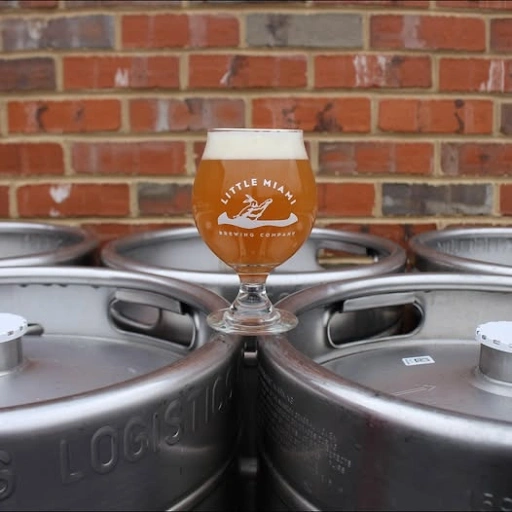
Most people assume hops define craft beer because they’re the ingredient that gets the attention. Malt has its fans too, especially among people interested in brewing. But yeast quietly does something just as important. In many styles, it’s the ingredient that shapes the beer more than anything else.
During the craft beer brewing process, yeast transforms simple ingredients into beer by creating alcohol, carbonation, and many of the flavors and aromas that define each style. Understanding its role offers a better appreciation of what goes into every pint.
Here’s a closer look at the role yeast plays in craft beer brewing and how it influences every pint from fermentation to the final pour.
What Does Yeast Do During the Craft Beer Brewing Process?
Yeast is the microorganism responsible for fermentation, one of the most important stages of the brewing process.
After malted grains are mashed and boiled with hops, the cooled wort is transferred into a fermentation vessel. This is where yeast is added. The yeast consumes the natural sugars extracted from the grain and converts them into alcohol and carbon dioxide.
Without yeast, beer would simply remain sweet wort. Fermentation is what transforms those ingredients into beer.
Along the way, yeast also produces dozens of flavor and aroma compounds that give each beer its unique character. Depending on the strain, these can include fruity, spicy, floral, earthy, or even slightly peppery notes.
Yeast Does More Than Create Alcohol
Many people think yeast has one job: making alcohol. In reality, it influences nearly every aspect of the finished beer.
Flavor
Different yeast strains produce different flavor compounds during fermentation. Some create subtle citrus notes, while others develop hints of banana, clove, apple, or stone fruit.
That’s why two breweries can brew beers with similar malt bills and hop varieties yet end up with noticeably different results.
Aroma
Many aromas that people associate with certain beer styles actually come from fermentation rather than hops.
Belgian ales, hefeweizens, and saisons are well-known examples where yeast contributes much of the beer’s signature aroma.
Mouthfeel
Yeast also affects body and texture. Some strains create a crisp, dry finish, while others leave behind a fuller, softer mouthfeel.
Clarity
Certain yeast strains settle quickly after fermentation, producing bright, clear beer. Others remain suspended longer, creating the hazy appearance seen in many wheat beers and hazy IPAs.
That’s why brewers treat yeast as far more than a fermentation tool. It helps define the finished beer from the first aroma to the final sip.
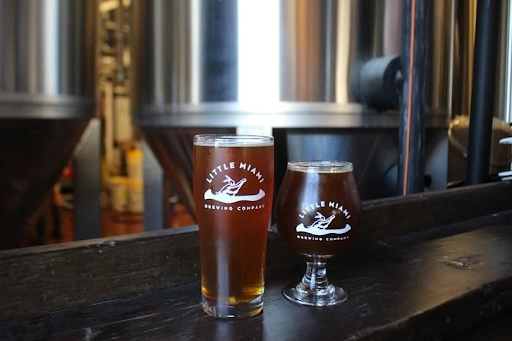
Different Beer Styles Depend on Different Yeast Strains
One reason there are so many types of craft beer is that brewers have access to hundreds of yeast strains.
Each behaves differently during fermentation and helps define a beer style.
Ale Yeast
Ale yeast ferments at warmer temperatures and typically produces fruit-forward flavors and aromas.
It’s commonly used in:
- Pale ales
- IPAs
- Amber ales
- Blonde ales
- Belgian ales
- Wheat beers
Lager Yeast
Lager yeast ferments more slowly at cooler temperatures.
The result is a cleaner, crisper flavor profile with fewer fruity fermentation notes.
Styles include:
- Pilsners
- Mexican lagers
- Light lagers
- Bohemian pilsners
Many of Little Miami Brewing Company’s favorites, including Belgian Wit, Blackberry Wheat, Bohemian Pilsner, and Mexican Lager, rely on ale yeast and lager yeast to create refreshing, easy-drinking beers.
Why Yeast Selection Matters So Much
Choosing yeast isn’t an afterthought.
For brewers, selecting the right strain is just as important as choosing hops or malt. A single recipe brewed with different yeast strains can produce completely different beers.
For example:
- One strain may emphasize citrus flavors.
- Another highlights spice.
- Another finishes extremely dry.
- Another leaves a fuller body.
Brewers carefully test fermentation performance before adding a beer to their regular rotation, blending science with creativity.
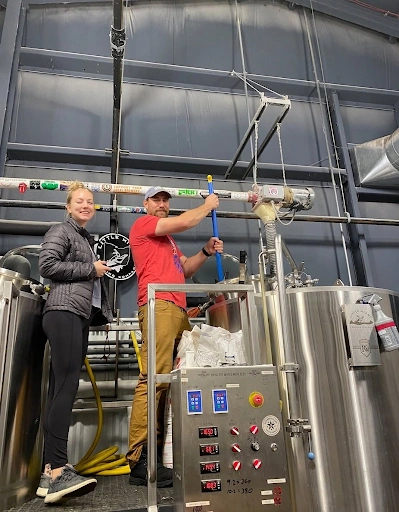
Fermentation Is Where the Magic Happens
Fermentation is often called the heart of the craft beer brewing process, and for good reason.
Once yeast is added, brewers carefully monitor:
- Temperature
- Fermentation speed
- Yeast health
- Sugar conversion
- Final gravity
Even small temperature changes can noticeably affect flavor.
Too much heat can create unwanted flavors, while cooler temperatures may slow fermentation. Careful fermentation control helps breweries produce consistent, high-quality craft beer.
Why Craft Brewers Pay Close Attention to Yeast
Large commercial breweries often aim for identical flavor every time. Independent craft breweries value consistency while embracing the unique character different yeast strains bring to each beer style.
Instead of treating yeast as simply another ingredient, craft brewers view it as part of the recipe’s personality.
At Little Miami Brewing Company, every beer begins with thoughtful ingredient selection, careful fermentation, and attention to detail throughout the brewing process. Whether it’s a crisp Bohemian Pilsner, a fruit-forward Blackberry Wheat, or the citrus and coriander notes in Belgian Wit, yeast helps shape the final result just as much as malt and hops.
Guests can enjoy that fresh craft beer alongside river views, pizza from the Taproom Pizza Kitchen, live music, and a relaxed atmosphere in Historic Old Milford.
Next Time You Order a Pint
The next time you’re looking over a tap list, think beyond hops.
Whether you enjoy a Belgian wit, a fruit-forward wheat beer, or a crisp pilsner, you’re experiencing the work of yeast as much as any other ingredient. Understanding yeast in beer helps you recognize how fermentation shapes every new beer style.
That’s one reason trying a beer flight can be so enjoyable. Sampling different styles side by side lets you experience how changing just one ingredient, especially the yeast, creates remarkably different results.
FAQs
What role does yeast play in the craft beer brewing process?
Yeast converts sugars into alcohol and carbon dioxide during fermentation while also creating many of the flavors and aromas that define different beer styles.
Why is yeast important in craft beer brewing?
Yeast influences flavor, aroma, mouthfeel, clarity, and alcohol content. Different yeast strains produce different characteristics, making it one of the most important ingredients in brewing.
Does every type of beer use the same yeast?
No. Different beer styles use different yeast strains. Ale yeasts ferment at warmer temperatures, while lager yeasts ferment at cooler temperatures, producing distinctly different flavor profiles.
Can yeast change how beer tastes?
Absolutely. Even when the malt and hops stay the same, changing the yeast strain can dramatically alter the finished beer’s flavor, aroma, and overall character.
Discover Craft Beer One Pint at a Time
The craft beer brewing process is built on four main ingredients, but yeast is often the one working hardest behind the scenes. It quietly transforms simple ingredients into beers with distinct flavors, aromas, and personalities, making every style unique.
At Little Miami Brewing Company, every pint is brewed onsite with careful attention to the brewing process from start to finish.
Stop by our riverside brewery in Historic Old Milford, explore the rotating tap list, pair your beer with pizza from the Taproom Pizza Kitchen, and experience how thoughtful brewing comes through in every glass.